
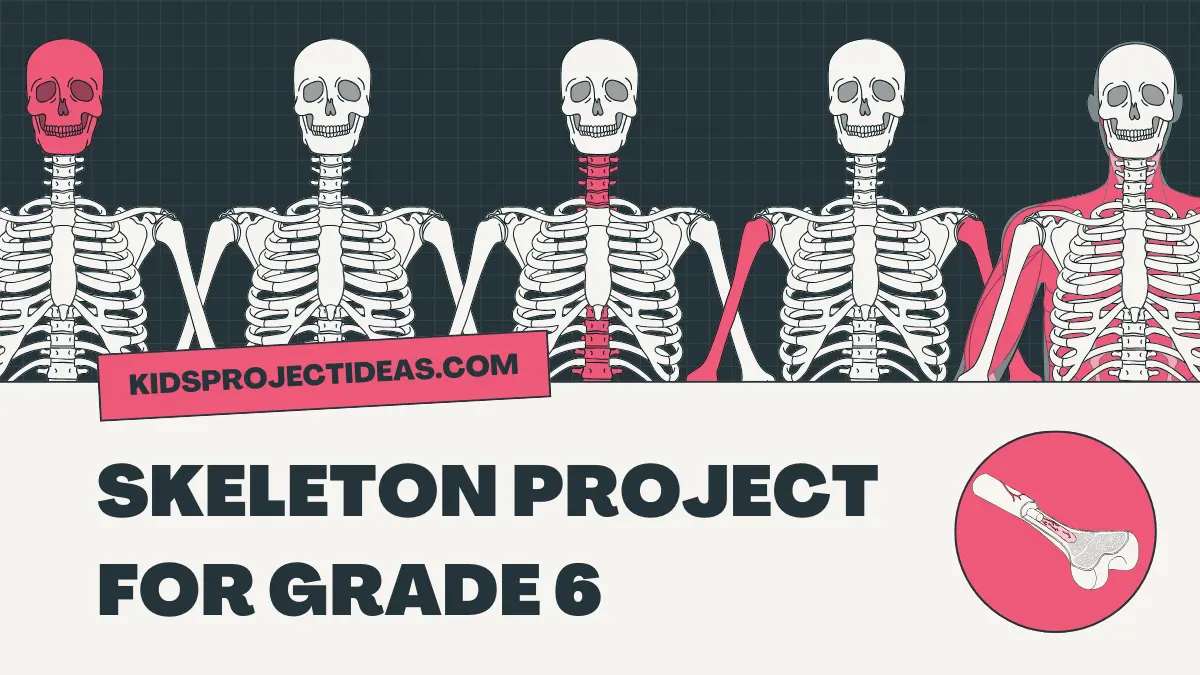
A Grade 6 skeleton project gives students a hands on learning activity that makes human anatomy clear in class. This fun assignment lets sixth graders study the skeletal system by building simple bone models and seeing how the body is put together. With this project students learn real facts about many bones where they sit and how they help support and protect the body.
The task mixes art like building with basic science making it a good pick for young learners who learn best by seeing and touching. Many teachers pick this project since it turns a hard topic into a clear and enjoyable task for middle school students. While making their skeleton models students gain a deeper grasp of human anatomy that lasts past textbook study and helps in real life.
MUST READ: 50 Creative Cell Analogy Project Ideas Class 8 (2026)
Skeleton Project For Grade 6 Grade Students
Here are the best Skeleton Project For Grade 6 Grade Students:
Science & Nature Projects
- Build a Mini Greenhouse – Use plastic bottles and cardboard to make a small house where plants grow faster with trapped warm air and sunlight.
- Make a Water Filter – Stack sand, gravel, and cotton in a bottle to clean dirty water and learn how nature removes dirt from rivers.
- Create a Weather Station – Use simple tools like thermometers and wind socks to measure temperature, wind, and rain in your backyard every day.
- Grow Plants Without Soil – Place plant roots in water with liquid food to show that soil isn’t the only way plants can grow healthy.
- Build a Solar Oven – Cover a pizza box with aluminum foil to trap sun heat and cook s’mores or melt cheese on crackers.
- Study Butterfly Life Cycle – Raise caterpillars in a jar with leaves and watch them turn into butterflies over a few weeks.
- Make a Volcano Model – Mix baking soda and vinegar inside a clay mountain to create a fizzy eruption that looks like real lava.
- Test Soil Types – Collect dirt from different places and see which type helps seeds grow tallest by planting the same seeds in each.
Technology & Electronics Projects
- Design a Simple Circuit – Connect a battery, wires, and a small bulb to make light and understand how electricity flows in a loop.
- Build a Cardboard Robot – Create a robot from boxes and bottles, then add moving parts with straws to make arms and legs bend.
- Make a Morse Code Flashlight – Learn dot-and-dash patterns to send secret messages to friends using a flashlight in the dark.
- Create a Paper Circuit Card – Draw lines with special conductive tape and add LED lights to make a greeting card that glows.
- Build a Simple Alarm System – Use aluminum foil and a buzzer to create a door alarm that beeps when someone breaks the foil connection.
Environmental & Recycling Projects
- Make Paper from Old Newspapers – Tear and soak old paper, blend it into pulp, then press flat to create new recycled sheets for drawing.
- Build a Compost Bin – Layer food scraps and leaves in a container to turn waste into rich soil that helps gardens grow better.
- Create Seed Bombs – Mix clay, soil, and seeds into balls that you can throw in empty lots to grow wildflowers and help bees.
- Design Reusable Shopping Bags – Sew or decorate old t-shirts into strong bags that replace plastic ones at the grocery store.
- Make Eco-Bricks – Stuff plastic wrappers tightly into bottles to create building blocks that keep trash out of oceans and landfills.
- Start a Bottle Cap Collection Drive – Gather colorful plastic caps from drinks to recycle into art or donate to organizations that make prosthetic limbs.
Art & Craft Projects
- Create a Stop-Motion Animation – Take hundreds of photos of clay figures moving slightly each time, then play them fast to make a movie.
- Build a Shoebox Diorama – Design a tiny scene inside a box using paper, paint, and small objects to show a rainforest or ocean habitat.
- Make Natural Dyes – Boil vegetables like beets and turmeric to extract colorful liquids that dye white fabric into rainbow shades.
- Design a Shadow Puppet Show – Cut character shapes from cardboard, attach sticks, and shine light behind them to tell stories on a wall.
- Create Mosaic Art – Break eggshells or old tiles into small pieces and glue them onto cardboard to form colorful picture patterns.
Math & Logic Projects
- Build a Geometric Shape Garden – Plant flowers in garden beds shaped like triangles, circles, and squares to show math in nature.
- Create a Fraction Pizza – Use cardboard circles cut into slices to teach younger kids how halves, quarters, and eighths work with pizza toppings.
- Design a Math Board Game – Make a path game where players solve addition or multiplication problems to move forward and reach the finish.
- Measure Shadow Lengths – Track how your shadow changes size throughout the day and graph the measurements to see patterns.
- Build a Symmetry Mirror Book – Fold paper and draw half a butterfly or face, then use a mirror to complete the symmetrical other half.
Health & Fitness Projects
- Track a Healthy Eating Challenge – Keep a colorful chart showing daily fruits and vegetables eaten to reach rainbow food goals each week.
- Design an Exercise Dice Game – Write different exercises on cube faces and roll to decide whether to do jumping jacks, push-ups, or stretches.
- Create a Germ Experiment – Use bread slices touched with dirty and clean hands sealed in bags to show how germs grow mold.
- Make a Hydration Tracker – Decorate a water bottle with measurement marks to track drinking eight glasses of water every day.
Social Studies & Community Projects
- Map Your Neighborhood – Draw streets, parks, and shops near your home with symbols and a key to show important community places.
- Interview Family Elders – Record stories from grandparents about their childhood and create a book with photos showing how life changed over time.
- Design a Community Helper Poster – Make colorful posters showing jobs like firefighters, doctors, and teachers with facts about how they help people.
- Create a Cultural Food Calendar – Research dishes from different countries and make a monthly calendar showing festivals and traditional foods worldwide.
- Build a Classroom Time Capsule – Collect items like photos, letters, and popular toys to bury or store for students to open in ten years.
Language & Communication Projects
- Write and Illustrate a Storybook – Create an original tale with characters and problems, then draw pictures for each page to share with younger children.
- Start a Classroom Newsletter – Gather news, jokes, and student artwork into a monthly paper that tells families about school events and achievements.
- Create Vocabulary Flashcards – Make cards with new words on one side and simple drawings or definitions on the back to help classmates learn.
- Design a Comic Strip – Draw panels with speech bubbles to tell a funny or adventurous story using pictures and few words.
Music & Sound Projects
- Build Homemade Instruments – Make drums from cans, shakers from bottles with rice, and guitars from rubber bands stretched over boxes.
- Record Nature Sounds – Use a phone or recorder to capture bird songs, rain, and wind, then arrange them into a relaxing sound collection.
- Create a Rhythm Pattern Game – Clap or tap different beat patterns and have friends copy them to practice listening and memory skills.
Engineering & Building Projects
- Construct a Bridge from Popsicle Sticks – Glue wooden sticks into triangular patterns to build a strong bridge that can hold toy cars.
- Design a Marble Run – Use cardboard tubes, ramps, and funnels to create a twisting path that marbles roll through from top to bottom.
- Build a Catapult – Attach a spoon to popsicle sticks with rubber bands to launch marshmallows or cotton balls across the room.
- Make a Simple Pulley System – Thread rope through empty spools to lift small buckets and learn how pulleys make lifting heavy things easier.
- Create a Wind-Powered Car – Attach paper sails to a toy car frame so wind pushes it forward without batteries or motors.
MUST READ: 49+ Brilliant Social Studies Fair Project Ideas For 8th Grade
Summary
The Skeleton Project For Grade 6 gives students a hands on way to learn about human anatomy and bones. This assignment has students build a model skeleton from materials like paper, cardboard, or simple craft supplies.
Students learn how bones connect and support the body while practicing creative skills. The project helps sixth graders see the skeletal system beyond textbook reading and makes science more interesting and easy to remember. Teachers give this work because it mixes art with biology and lets students label major bones and say what they do.
Most projects ask students to show their models to classmates which builds public speaking confidence. This activity makes a complex topic easier to understand through visual and hands on learning that stays with students long after they finish.
